REVIEWS: “Between-Disney-Vacation” Recommended Reading 101

It’s February. Even though we’re within a few weeks of Daylight Savings — the unofficial gateway to spring — most of the nation still finds itself in the throes of winter for at least a few more weeks. Of course this also means, for most of us, that although we’re getting closer to our next Disney vacation every day there’s still some winter to endure. If you’re like me, life tends to be what happens between visits to the Disney parks. As a way to cope with such a reality I’ve managed to find a few practices — we’ll call this “prep” — that help me deal with the time between trips. Music, podcasts, and of course books are all tools in my Between-Disney-Trips survival kit. So it’s in this spirit that I submit my favorite or most recent “February Survival Reads:”

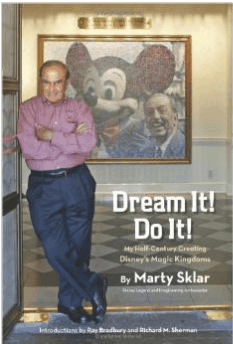
Dream ItDream It! Do It! My Half-Century Creating Disney’s Magic Kingdoms, Marty Sklar
Different from other books I’ve read on the subject of Disney backstory and mythology, Dream It! Do It! by Marty Sklar will be most enjoyed by those most familiar and intrigued by the stories perpetuated by and grounded in Disney lore. Sklar is a career Imagineer that has contributed to every major event in the development of each of the Disney parks. Additionally, he may be the only single person with both a working and personal relationship with anybody that’s anybody associated with the Disney parks story — including the man himself, Walt Disney. This includes the Sherman brothers, John Hench, Mary Blair, Card Walker, Dick Nunis, Joe Fowler, Joe Potter, Claude Coats, and Roy O. Disney. And that is by no means a complete list. If you’re looking for an insider’s perspective and little-known albeit interesting pieces of information associated with Walt Disney World, Disneyland, and even Disneyland Paris and Tokyo, this is your book. What I enjoyed most were the stories about the creation of the engineering and imaginative feat that became Walt Disney World. What I enjoyed least were the inner workings of the corporation itself.

Screen Shot 2015-02-22 at 2.19.46 PMWalt Disney: The Triumph of the American Imagination, Neal Gabler
It’s worth reading just for the behind-the-scenes story on the production of Snow White alone. But the author also takes a deep dive into the early studio years that makes the Walt Disney story that much more accessible to fans and park visitors. There’s some decent stuff on Sleeping Beauty but I found myself wanting more about the genesis and production of Cinderella. For me, this biography has probably been the most comprehensive—even through those painful war years and nature documentaries. Gabler cites pop culture writers of the day and movie reviewers where it is appropriate. Readers Beware: this is quite the commitment. But for hardcore fans, I think it’s also a rite of passage of sorts.


Screen Shot 2015-02-22 at 2.22.22 PMThe Haunted Mansion: From the Magic Kingdom to the Movies, Jason Surrell
Even though The Haunted Mansion is one of my favorite attractions, I never could put my finger on why so many Disney enthusiasts were so obsessed with it. My hope was that reading Surrell’s book would help me understand the Haunted Mansion phenomenon and it absolutely has. He begins with the genesis of the idea in the Museum of the Weird for which Yale Gracey and Rolly Crump were commissioned to begin exploring and experimenting with gags for the mansion. Surrell then walks his readers through the whole creative process. Along the way you meet X. Atencio, Marc Davis, Claude Coats, and plenty of others that had a hand in bringing the attraction to life, er, afterlife. The last third of the book addresses each “scene” in the Mansion in detail—but not so much detail as to be overwhelming. It’s an easy read and highly recommended for Disney fans at practically any interest level.

Screen Shot 2015-02-22 at 2.24.33 PMThe Animated Man: A Life of Walt Disney, Michael Barrier
Oddly enough, this has been my favorite Walt Disney biography. Given Barrier’s obvious bent toward the history of animation and Disney’s place in it, I didn’t have the highest expectations. I am generally more interested in Walt’s life than in the medium itself. But the fact is that Michael Barrier made me care. He made Walt’s life through the lens of historical animation even more interesting. I’m not sure I would make this my first biographical endeavor into the life of one of the most influential people of the Twentieth Century. But I would recommend it as the second.


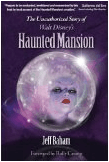
Screen Shot 2015-02-22 at 2.26.15 PMThe Unauthorized Story of Walt Disney’s Haunted Mansion, Jeff Baham
This book is everything you would expect from the founder of Doombuggies.com. Jeff is exhaustive in his research and relentless in his pursuit of the most accurate and most thorough Haunted Mansion apologetic. Different from Surrell who takes an Imagineer’s perspective, Baham writes for the person who just can’t get enough of the Haunted Mansion. A couple of reviewers didn’t like the second section of The Unauthorized Story of Walt Disney’s Haunted Mansion and the way it takes readers step-by-step through the Mansion, but that was probably my favorite part. But that is not to say that I didn’t also love all the history and background present in the first half as Coats, Crump, Davis, and Gracey dominate the narrative as they rightfully should. The bottom-line: this is just a really cool book.


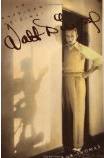
Screen Shot 2015-02-22 at 2.29.40 PMWalt Disney: An American Original, Bob Thomas
Promoted as the only “authorized” biography by the Disney family, what Thomas does get right is that he doesn’t waste a lot of time on the parts of Walt’s story that might have the potential to drag. Instead, the author gives most of the big story lines equal billing: Oswald, “Steamboat Willie”, Snow White and the Seven Dwarfs, Cinderella, Disneyland, and the World’s Fair. Of the biographies that I’ve read this is perhaps the easier read. I liked most about this book the attention Thomas gives to Mary Poppins, something Gabler’s book misses in my opinion. That being said, a reading of Gabler, Thomas, and Barrier provide what appears to be an accurate view of the man you’ll come to know simply as “Walt.”


Not reviewed here are the two Walt Disney Imagineering books. These are great but aren’t your typical front-to-back reads and tend to focus exclusively on the creative aspect, which isn’t for everybody. Regardless, they are great to have. Four Decades of Magic is a series of essays, some more interesting than others, that includes some very interesting and fun background and content. (For instance, did you know that there is purportedly a ghost that haunts Pirates of the Caribbean Florida? Chad Denver Emerson’s book will tell you all about it.) I didn’t review it here because it doesn’t have the most “finished” feel to it. And I’ve intentionally avoided Project Future but only because I’m just not as interested in the corporate side of the Disney experience. There are plenty of others but I feel good about recommending all six of these books as a part of your 2015 February Survival.

PROFILE: Meet Gris Grimly — The Creative Force Behind Disney’s Animated Haunted Mansion Special

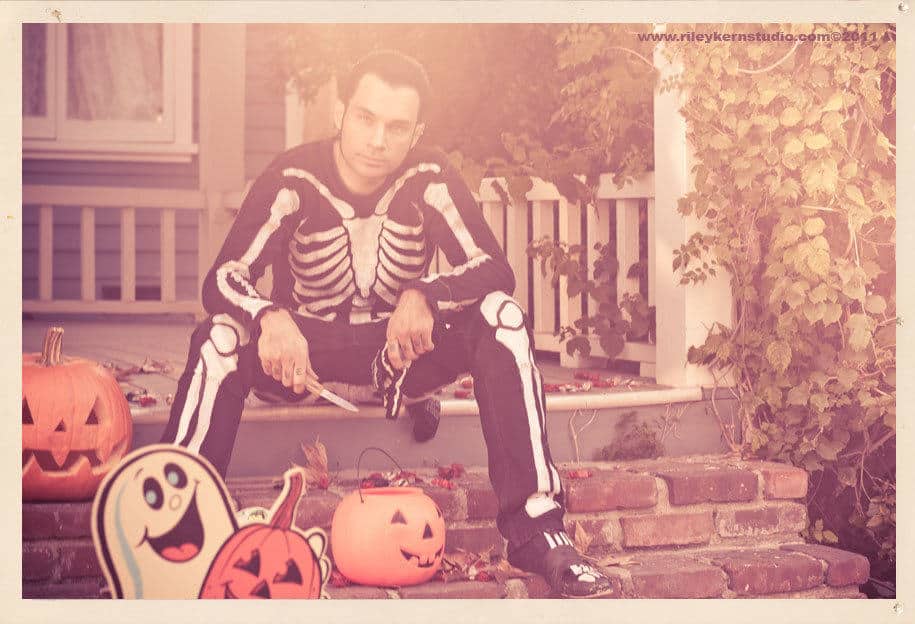
Photo courtesy of Riley Kern. Learn more about her work at  www.rileykernstudio. Used with permission.

Photo courtesy of Riley Kern. Learn more about her work at www.rileykernstudio. Used with permission.

By now you’ve heard that Disney Television Animation is developing an animated special based on the enormously popular and pseudo-mythological Haunted Mansion attraction. At this point details are sketchy, but what we do know is that the special will be animated by horror artist, New York Times best-seller, and children’s book illustrator Gris Grimly. Gris’ unique style and artistic flare are the absolute perfect fit for this expression of the Haunted Mansion.

You may not be familiar with Gris, but his fingerprints are all over the pop culture and novel art world. He has produced and directed music videos, collaborated with feature film director Guillermo del Toro, and created critically acclaimed short films in addition to his best-selling illustrated projects, the earliest of which are already somewhat rare and fairly valuable. His illustrated works include Gris Grimly’s Wicked Nursery Rhymes, Edgar Allan Poe’s Tales of Mystery and Madness and Tales of Death and Dementia, The Legend of Sleepy Hollow, and Pinocchio. Most recently Gris released his vision of Mary Shelley’s Frankenstein.

About his latest project, Frankenstein, one reviewer described it as “… by turns grotesque, whimsical, and surreal.” Another pointed out how “Grimly’s unique and twisted style blends perfectly with the material and breathes new life into these characters and situations.” Given his artistic bent and a history that has crossed paths with the Disney universe multiple times, it’s no wonder Disney Television Animation tapped Gris for its Haunted Mansion project. There is reason to be excited about this project even if you’re not among the legions of Haunted Mansion aficionados out there in the Disney fan community.

WDWNT had a chance to catch up with Gris as he prepared for ScareLA last week. Below is a short Q&A with the visionary who will drive the story, art, and design for Disney’s upcoming Haunted Mansion animated television special.

WDWNT: Thanks for taking a few minutes to be with us.
GRIS: It’s an exciting time.

WDWNT: The Haunted Mansion is probably the most discussed Disney attraction. Admittedly, I didn’t “get” all the affection the Haunted Mansion receives early in my relationship with the Disney parks. But now I get it. Mixed plots, a who’s who of imagineering, the years and iterations between concept and completion all contribute to Haunted Mansion mythology. What about the Haunted Mansion is most interesting to you?
GRIS: I’ve always been intrigued by the Museum of the Weird. Rolly Crump’s designs are so dark, whimsical, and just completely strange that you can’t help but be drawn to them.

WDWNT: Speaking of whimsical, the Haunted Mansion story can be inaccessible—which also happens to be one of the aspects that makes it great. In fact, the attraction is really an imagineering “anthology” in some respects with multiple story angles. How are you going to approach the various story elements and narrative threads present in the Haunted Mansion?
GRIS: The lore of The Haunted Mansion is certainly rich. I recently had the privilege to explore this mythology that Disney keeps secure in their vaults, and it’s amazing. That experience and some of the elements have inspired our story, but overall, we are expanding in our own direction.

WDWNT: What characters or scenes from the Mansion are most intriguing to you and why?
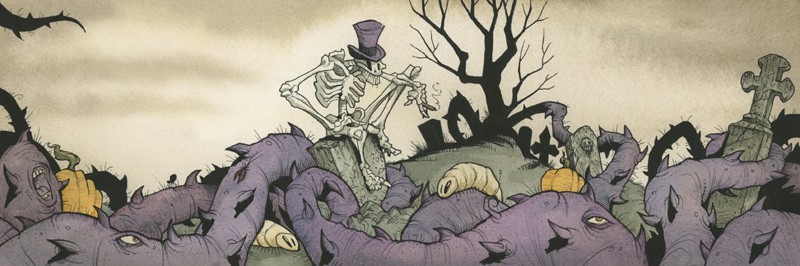
GRIS: The entire Haunted Mansion ride is brilliant. But I would have to say my favorite section is the cemetery. Then again, I’ve always loved creepy cemeteries. I used to ride my bike to the cemetery, sit amongst the gravestones, and draw.

WDWNT: Surely there are some basic details you can share about the Haunted Mansion animated television project beyond the press release. Can you tell us when you are scheduled to begin production, more about your role, or when the show is scheduled to be released?
GRIS: Actually, I can’t. I can only repeat what has already been released. I’m Art Director and Executive Producer on the Haunted Mansion Special currently in development for Disney Television Animation. I’m working very closely with writers Scott Peterson and Josh Pruett. Maybe sometime in the near future we can reveal more, but not at this point.

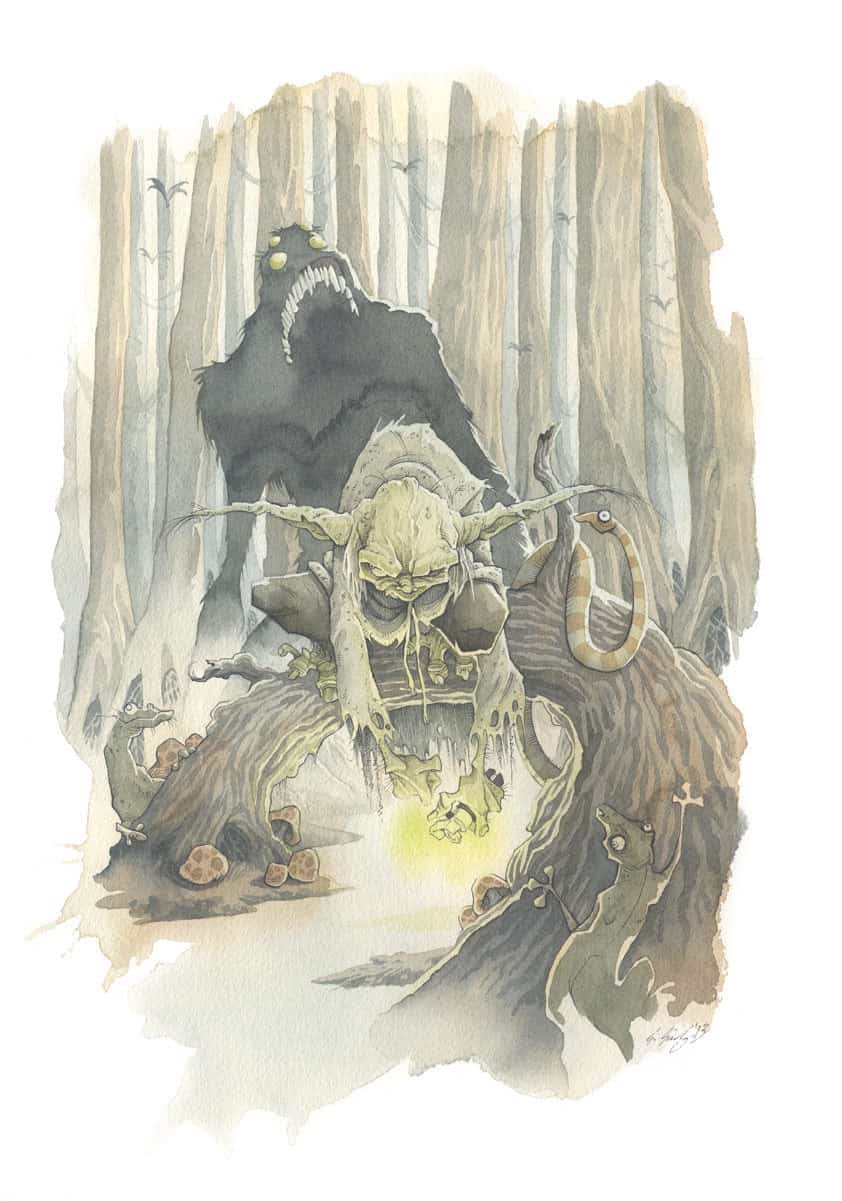
Art courtesy of Gris Grimly and Mad Creator Productions. Used with permission.

Art courtesy of Gris Grimly and Mad Creator Productions. Used with permission.

WDWNT: Gris, in what ways has your relationship with Disney influenced your art?
GRIS: The archived collection of Haunted Mansion art I was able to study in the vaults has definitely inspired me. The artwork from Rolly Crump and Marc Davis in particular has shaped me as an artist. The vast collection of unreleased material is almost overwhelming.

WDWNT: You live in Southern California so you might not make it to Walt Disney World very often, if ever. But Disneyland, I’m guessing, is a different story. Where would I most likely find you during one of your visits to Disneyland?
GRIS: I usually frequent the same spots at Disneyland. Three of the most obvious places I hit are Indiana Jones, Pirates of the Caribbean, and of course the Haunted Mansion. But there are some less obvious spots I hit every time. I like to catch the troubadour show at the Golden Horseshoe. When I was young I was in awe on the Jungle Cruise so I will usually hit that up for some nostalgic comedy. Sometimes I’ll pop into the Main Street Cinema and watch the old black and white Mickey cartoons. And I never miss the Tiki Room with a frosty Dole Whip in my hand.

Art courtesy of Gris Grimly and Mad Creator Productions. Used with permission.

Art courtesy of Gris Grimly and Mad Creator Productions. Used with permission.

WDWNT: Two more questions. I’ll lose my job if I don’t bring it up so here it goes. Will the Hat Box Ghost be making an appearance in the special? (Please just say yes.)
GRIS: Ha ha. No comment.

WDWNT: Fair enough. One more. Being an artist, there’s got to be a favorite piece of Disney history that you have acquired. What is your favorite Haunted Mansion collectible?
GRIS: I’m a vinyl record collector. So some of my favorite items are old 60s storybook records.

Look for future updates about this special here at WDWNT. We’re excited to see how Gris brings the Haunted Mansion and its story into animated life. Follow Gris on Twitter @GrisGrimly and find out more by visiting www.madcreator.com.

INTERVIEW: Celebrating the 45th Anniversary of Disney’s Haunted Mansion with Jeff Baham

DoomBuggies.com founder Jeff Baham. Used with Permission.

DoomBuggies.com founder Jeff Baham. Used with Permission.

Even though the California and Florida editions of Disney’s Haunted Mansion were not constructed on the same day 45 years ago, it seems appropriate to acknowledge August 9, 1969 since the versions are so similarly conceived. So it is in this “spirit” that we have caught up with DoomBuggies.com founder, Mousetalgia founder and co-host, and author of the just-released The Unauthorized Story of Walt Disney’s Haunted Mansion Jeff Baham. Jeff has joined us for a look into the Mansion’s spooky history as we anticipate its 45th Anniversary.

Brian: Jeff, thanks for being with us for such a ghoulish occasion.
Jeff: Thanks. I’m always up for discussing one of my favorite topics.
Brian: Given that, I think it’s safe to assume that you have a rather nice collection of Haunted Mansion artifacts and collectibles. What is your favorite piece of Haunted Mansion history?
Jeff: My favorite piece is a silk-screened poster from Disneyland advertising “I Scream Sundaes,” featuring the famous hitchhiking ghosts. I was lucky enough to purchase this from someone who worked in the park’s print shop, where they had a copy or two of the silk-screened prints archived. It has been pictured in books before, but I’ve never seen one out on the market. I love it — very vintage, very classic Disneyland.
Brian: It’s all about who you know and being in the right place at the right time.
Jeff: And a little luck.
Brian: You reference “vintage Disneyland” and there are definitely different vibes between WDW and Disneyland. Regarding the Mansion specifically, there are some obvious differences and some not-so-obvious differences. Why the architectural variance in the Florida and California versions of the Haunted Mansion?
Jeff: I’ve heard Tony Baxter say that they didn’t want to put a southern plantation-style home in Florida since that type of architecture might not be as uncommon out on the east coast as it is here in California. But I suspect the Imagineers also wanted to play with the scale and apparent scope of the attraction. Part of the charm of Disneyland’s Haunted Mansion is that so much happens in a space that should be obviously far too small to contain it all. I can imagine some designers may have had the idea that the suspension of disbelief was too high for such a small house — but I still run into people to this day that marvel at how so much action can take place in Disneyland’s tiny southern manor. They really have no idea that there is a separate show building!
Brian: Passport2Dreams has a fairly exhaustive post about this exact topic for anyone that is interested.
Jeff: Yes. She’s very thorough.
Brian: When I first started going to the parks I really didn’t understand all the love the Mansion got. After doing little reading, however, I have formed my own opinion on this. With so many great attractions in the Disney parks, why do you think the Haunted Mansion remains far and away the most popular?
Jeff: I think there are a couple reasons for this. One is that the internet has enabled like-minded souls to find each other and many of these people like to walk briefly on the wild side without really dabbling in anything awful or gruesome. Halloween and Disney’s Haunted Mansion are two perfect expressions and outlets for this kind of personality. Another reason is that the attraction contains something more than just scenes —it contains magic. Literal stage magic. Some of the tricks Imagineer Yale Gracey came up with were adapted from techniques reaching back all the way to the late 1700s, while other tricks he used were cutting edge in the ’60s. Even today new digital techniques are being utilized in the Mansion. It’s an audio-animatronics show, it’s a magic show, and it’s a spook show. It covers a lot of bases.
Brian: That’s better than my answer.
Jeff. Ha. Well it’s what I do.
Brian:  Both the Florida and California Mansions went through some changes in the late 2000s. What changes or refurbishments would you like to see in the next 10 years?
Jeff: Well, I guess I’m a purist. I always prefer that the Imagineers either take an attraction away completely or leave it alone if it’s a classic. But I don’t get upset about it when they do change things — I just hope for the best. That said, I think one of the most effective additions to the Mansion in recent years has been the audio effects in the Walt Disney World stretching gallery. It brings the room to terrifying life in a way that Disneyland’s can’t match.
Brian: I’m more a purist as well. I walk that line between “Stop!” and “Just please don’t blow it.”
Jeff: I might like to see what the Imagineers could do with enhanced audio effects throughout the attraction — or even smells. But I’m essentially a purist.
Brian: An interview like this isn’t complete unless there’s at least one question about the Hat Box Ghost. Tell us what you know about the Hat Box Ghost and its amazing disappearing act.
Jeff: I can’t tell you everything!
Brian: Ha ha. Of course you can’t.
Jeff: But I can say this – the gag was sketched out by Marc Davis among many other equally worthy characters and ghostly creations, and Yale Gracey did his best to make it work; but the Haunted Mansion relies on stage magic, not close-up effects. Whatever they tried, they just couldn’t get the head to completely vanish when it appeared in the hat box. Because of this, only days after the attraction opened, Marc asked to have it removed. Blaine Gibson sculpted the head that was used, which was one of the ghost heads used a number of times in the attraction – for the skeletal hitchhiker and a family portrait or two hanging in the corridor of doors. The Imagineers know that the legend of the Hat Box Ghost has grown tremendously over the years to the point that I think they are truly torn over whether or not it would make sense for them to revisit the character at all. Nothing they do could ever live up to the hype in people’s imaginations. But ol’ Hattie may show up someday — maybe in a slightly different location, in a slightly different form. Who knows.
Brian: I’ve read that the timing of the illusion was a problem as well. That is, the entire gag couldn’t be pulled off in the time allocated by the speed of the doom buggy.
Jeff: I’ve read that as well. It makes sense.
Brian: Given the length of time between concept and completion and the imagineering legends that contributed to the attraction, the Haunted Mansion is practically a “museum of imagineering.” What is most interesting to you personally about the Mansion’s history?
Jeff: I think one of the most interesting aspects of the Haunted Mansion’s history is simply Walt’s tenacity in having it placed into Disneyland and his motivation behind putting it there. Every park that Walt had a hand in creating, from his original Mickey Mouse Park that was intended for a small lot in Burbank, to Disneyland, to the Riverfront Square project in St. Louis, and finally to the Magic Kingdom in Florida — each of those proposed parks had a haunted house included in the design. In fact, in the park Walt was proposing for St. Louis, the plans called for the front gates to open toward a boulevard that ended with a hill upon which was to sit a dramatic haunted house, rather than a castle like the other parks. At Disneyland, the Haunted Mansion was always in development. It was probably in the conversation before the park even opened in 1955 and assuredly since 1957 when Ken Anderson started designing the attraction in earnest. Walt clearly believed that any park that would echo his concept of American life would also necessarily include some sort of haunted house.
Brian: Ah. I’ve never looked at it that way. That’s fascinating.
Jeff: Walt’s understanding of the American psyche is fascinating.
Brian: Right. Walt Disney’s footprint on Twentieth Century Americana is staggering. Next question. Sea captains, Beauregard, the Ghost Host, Leota, the bride, the raven. There has been quite a bit written about the Haunted Mansion story and how it came together (or didn’t come together, depending on the source). What has your research led you to conclude about the origin of the current Haunted Mansion story?
Jeff: The origin stories of the Haunted Mansion are many because some of the designers responsible for its creation never really regarded it as a success. So each of their takes on the project stand alone. Generally speaking, I think you could consider Ken Anderson’s initial stabs at a storyline for the attraction, based on a sea captain and a probable marital tragedy, among the foundations with the deepest roots. Much of what Yale Gracey and Rolly Crump did when creating special effects and magical techniques were based on Ken’s sketches and ideas. Even Marc Davis, when he came to the project in the early ’60s, started by trying to visualize the ideas that Ken had developed, with brides and pirates, et cetera. Some of the minor details came about later in the game, when X. Atencio was writing the script for the Ghost Host. My conjecture is that it all boils down to the fact that Walt Disney himself was never completely satisfied with the solutions that had been developed for the attraction, up to the time of his death. Ken wrote treatments and built sample sets with intricate scenes developed to show to Walt. But he eventually was sent back to Animation to help with Sleeping Beauty so he must not have captured exactly what Walt was envisioning. Ditto the rest of the team when they came back after the World’s Fair. I think that’s why when Rolly had something way outside of the box to add to the conversation with his ideas for surreal characters and scenes for the Mansion, Walt was very open to him — even if he never really knew exactly what to do with them, eventually suggesting a sort of “Museum of the Weird.”

Halloween Overlay. Photo courtesy of Karen Daniel

Halloween Overlay. Photo courtesy of Karen Daniel

Brian: I visited Disneyland during the Halloween overlay in the last couple of years. I thought it was a nice mash-up that created quite a lot of energy. Why do you think WDW doesn’t use the holiday overlay for its version of the Mansion?
Jeff: I think that too many people make once-in-a-lifetime trips to Walt Disney World for the park to decide to radically change the Florida attraction for an extended period of time. At Halloween, they probably want a to provide guests with a haunted house to visit, not a winter wonderland. I think that’s probably the main concern — but you never know what might happen.
Brian: And I get the sense that California has more season pass guests, by percentage, than WDW. I’ve always thought that contributed to the decision.
Jeff: That could be.
Brian: How about a book recommendation, Jeff. What resources are available for those of us that want to know more about Haunted Mansion history?
Jeff: Funny you should ask. My own book on the history of the Haunted Mansion is set to be released this month from Theme Park Press. Called The Unauthorized Story of Walt Disney’s Haunted Mansion, it presents an in-depth look at the various key players in the attraction’s development, their struggles and conflicts, and how the attraction finally came to exist as it is. I utilized hours of new interviews and a thorough review of all of the Haunted Mansion-related events and panels held at the various parks over the past 15 years. Nothing else comes close to the level of detail and variety of source material. Having shamelessly plugged that project, I would say that The Haunted Mansion: From the Magic Kingdom to the Movies should be in your library as well because it has a wealth of cool artwork pulled from Disney’s archives. And here’s a pro tip: one book that any hardcore Haunted Mansion fan should have in their library is a copy of  Decorative Art of Victoria’s Era by Frances Lichten, which was published in 1950 and is still readily available as a used book for very reasonable prices on Amazon.com. This is the book that Ken Anderson borrowed from the Disney Studios’ library and used very specifically to create the look of the Haunted Mansion’s architecture. It’s quite likely that he, and other Imagineers, also utilized the book for advice regarding cast iron, home decor, and other elements that went into the development of the look of the Haunted Mansion facades. It’s a distinct part of the history of the Haunted Mansion, and a sort of Haunted Mansion collectible in its own right.
Brian: That is definitely a pro tip.
Jeff: You need to buy it if you don’t already have it.
Brian: I guess you’ve seen a lot of the new Haunted Mansion merchandise that will be available this fall. What “got to have it” items have you found? Note: I have actually asked for the 13-hour wall clock from doombuggies.com for Christmas.
Jeff: Why wait until Christmas?
Brian: My wife, Karen, said so.
Jeff: Good decision. It seems Disney is really testing the well of Haunted Mansion fandom to see how deep it really goes. The recent announcement includes over 100 new products, not to mention the art that releases this year for the 45th anniversary at Disneyland. I’ve finally moved more into the “vintage collectibles” realm of Haunted Mansion collecting, but I do like some of the new home decor that Disney has come up with.
Brian: I really like the plate.
Jeff: You or Karen?
Brian: I’d rather not say.
Jeff: Ha. I guess the item I’d most like to get my hands on is the newest Ink and Paint Department release at Disneyland Park which features a hand-created cel of the Hat Box Ghost. It’s quite beautiful, and a very limited edition.
Brian: Thanks for your time, Jeff. That’s it for us. It’s always a pleasure. Hopefully we can do it again sometime.

Be sure to check out Jeff’s web site at www.doombuggies.com and follow Jeff on Twitter @JeffBaham.  And I’m excited about the release of The Unauthorized Story of Walt Disney’s Haunted MansionIts includes a foreword by Rolly Crump and is a must for any Haunted Mansion fan. Thanks again, Jeff. And Happy Anniversary Haunted Mansion!

WDWNT: The Magazine – “Marc Davis: Imagineering Master”

Marc Davis: Imagineering Master

By
Daniel Butcher


Everyday guests of the Walt Disney World Resort enjoy the efforts of largely unknown and unnamed Imagineers.  Imagineer Marc Davis began to impact theme parks years before Walt Disney dreamed of Disneyland.  Davis was a late comer to attraction design, working in animation when Disneyland opened.  From animation to attraction design, Davis has left a mark on the Disney experience and his legacy continues today where it started, in film.

Marc Fraser Davis was born March 30, 1913, in Bakersfield California.  But California is not where the Davis family stayed.  Davis’ father, Harry A. Davis, was a wandering jeweler and magician who attempted to strike it rich in the boomtowns of the United States with his wife Mildred and son in tow.  The nomadic life of the Davis family meant that young Marc was always the new kid in town, attending 23 different schools before he graduated.  From Florida to Oregon the Davis family was vagabonds.  Alone and generally friendless, Davis turned to drawing to fill his spare time.  He became a self-taught artist sketching at local zoos and copying illustrations from anatomy books he found in libraries.  After high school, Davis sought formal instruction at the Kansas City Institute of Arts and European art schools.  Realizing he desired to be a professional artist, Davis attempted to get hired by the Walt Disney Studio and submitted an application under the name M. Fraser Davis.  The studio rejected the inquiry, noting they were “not hiring women artists.”  Davis used his full first name in future inquiries to overcome the prejudices of the day and on December 2, 1935, started as a Disney artist.


marc-davis

Animator

            Davis’ first major assignment at Disney was to serve as an assistant animator to Grim Natwick on Snow White and the Seven Dwarfs.  Natwick had helped develop Betty Boop.  Natwick further Davis’ skills as an artist.  Being noticed for his talent, Davis was moved into the Character Model Department after concluding his work on Disney’s first feature film.  In his new role, Davis’ understanding of animal form shined with him developing the models for characters such as young Bambi and Thumper.  Walt Disney was especially impressed with the David designed skunk, Flower.  Bambi encompassed six years of Davis’ career as he was moved into an animator position.  Davis finished the 1940s at the studio animating more animals including Brer Rabbit and Brer Fox in Song of the South for which he was the directing animator.  He also began a 17 year teaching position at Chouinard Art Institute, where he met a young female student named Alice Estes who would later become his wife years later.

With 1950’s Cinderella, Davis began over a decade of designing and animating female characters as he continued in feature films.  He was the directing animator for the title character Cinderella.  Additionally he animated one of Walt Disney’s favorite animation sequences ever, Cinderella descending the staircase in the mouse-made dress.  He also animated the Cinderella transformation scene as the fairy godmother dressed Cinderella for the ball.  Cinderella was followed by Davis overseeing the animation of Alice for 1951’s Alice in Wonderland.  For 1952’s Peter Pan Davis was charged with creating and animating Tinker Bell.  In Peter Pan, Davis had to draw a fairy that both communicated and emoted purely through motion being a character without a voice.  For Sleeping Beauty in 1959, Davis oversaw the development and animation of both Maleficent and Princess Aurora.  And finally Davis contributed the character of Cruella De Vil to 1961’s 101 Dalmatians, a character that he alone animated for the film.  Davis’ animation creations alone are sufficient to label him a Disney legend.

Davis’ female characters were known for having strong personalities.  A onetime avowed bachelor, Davis was known in the Disney studios for courting strong-willed women, and it was natural that the personality traits that he found attractive would emerge in his creations.  He designed characters with large hands so they could be more expressive when animated.  Many observed that Davis was able to create characters that audiences were attracted to.  However, Davis himself did not enjoy these years of designing female characters.  He found rotoscoping, tracing over live action film, uninteresting and desired to animate animals, not heroines and villainesses.

The legacy of Davis’ animation years can be seen throughout Walt Disney World, especially the Magic Kingdom.  Be it character development or animation, Davis helped construct the images and personalities of the characters guests love today.  At the heart of the Magic Kingdom Park guests find Cinderella’s Castle where one can meet Davis’ creation in flesh and blood at Cinderella’s Royal Table, and Aurora and Snow White may also be found in the dining room as well as through the park.  Tinker Bell also can be found throughout the Magic Kingdom from the magic of waking her up at Tinker Bell’s Treasures, flying high in Peter Pan’s Flight or seeing her star in the nightly fireworks streaking across the sky in Wishes.  Tinker Bell has been featured in the Magic Kingdom nightly fireworks since she took flight for the first time on July 4, 1985.   Fantasmic! at Disney’s Hollywood Studios features Maleficent as the villain ringleader invading Mickey’s dreams including co-conspirator Cruella De Vil.  And Snow White and Tinker Bell both make appearances in this nighttime spectacle.  From Snow White to Cruella De Vil, everyday Walt Disney World guests enjoy the fruit of Davis’ animation career.

legends-web

Imagineer

Davis had remained with animation for the early years of Disneyland’s existence.  In 1962, Walt Disney invited Davis to visit Disneyland and provide notes on the troubled Mine Train through Nature’s Wonderland attraction.  Davis suggested that the mine cars be reorientated to allow guests to better observe the story and provided suggestions on gags to make the ride more playful.  Pleased with his feedback, Disney asked Davis to provide direction on reimagining The Jungle Cruise.  Davis’ suggestions included the Indian elephant pool and the trapped African Safari, gags which were included in the Walt Disney World version of the attraction. Additionally, Davis supported the development of the Enchanted Tiki Room, in which Davis designed the talking Tiki poles and artwork adorning the attraction walls.   The Walt Disney World version of the attraction was available to guests on opening day titled Tropic Serenade and was re-imagined as The Enchanted Tiki Room (Under New Management) including Davis’ Tiki poles and art.  In summer 2011, Imagineers returned the attraction to its classic beginnings as the Enchanted Tiki Room.  With these attractions under his belt, the veteran animator would not return to feature animation, he would now animate in three dimensions.

Davis was assigned to all of Disney’s projects for the 1964-1965 World’s Fair, including those that would influence Walt Disney World attractions.  He was asked to animate the Audio-Animatronic’s movements including standing for Great Moments with Mr. Lincoln a precursor to the Hall of Presidents.  He added story elements to The Carousel of Progress which was moved from the fair to Disneyland.  On January 15, 1975, it reopened in its new home in the Florida Tomorrowland and is currently Walt Disney’s Carousel of Progress.  Finally for it’s a small world, Davis provided story ideas, including gags that adorned Imagineer Mary Blair’s backgrounds.  For this attraction he worked with his wife Alice who created costumes for the Audio-Animatronics.

Among the original projects Disney gave Davis was a pirate wax museum that had been in development since 1958.  Davis made some initial sketches, but put his work aside for the World’s Fair projects.  Past dark rides, enclosed in a show building, retold established Disney stories such as Peter Pan.  The pirate ride would lack a story that provided guests a pre-established context.  Instead of a story, Davis immersed guests into an experience.  He was teamed with former background painter Claude Coates who created the ride’s sets for Davis’ characters and humorous gags.  Davis and Coats lead the team which brought the Pirates of the Caribbeanride to completion on March 18, 1967, at Disneyland.   “Pirates of the Caribbean” was absent at the opening of Walt Disney World.  Davis had plans for an even more elaborate boat dark ride named Western River Expedition which would have taken guests through old west scenes.  But due to guest complaints about its absence, executives called for a version of the Disneyland ride.  Davis’ river ride was shelved for a new version of Pirates of the Caribbean.  Dissatisfied Davis did use the new ride as an opportunity to update the story, ending the ride in a treasure room instead of the arsenal.  The pirates of Florida would get their ill-gotten loot opening on December 15, 1973.  Meanwhile Audio-Animatronics planned for the Western River Expedition such as buffalos and chickens would make their way to Living with the Land at Epcot.  And concepts from Davis’ plans would help inspire Big Thunder Mountain Railroad and Splash Mountain.

A haunted house attraction had been planned for Disneyland as early in 1951 before the park opened.  The exterior had been completed during 1963 in New Orleans Square, but the attraction did not yet materialize despite promises of coming soon due to other commitments such as the World’s Fair.  A number of Imagineers including Ken Anderson, Rolly Crump, and Yale Gracey had worked on the attraction but progress was slow.  In 1964, Davis completed his first recommendations for the attraction, which included the introduction of the narrating Ghost Host.  But it was not until 1966 after the death of Walt Disney that Dick Irvine reunited Davis with Claude Coats to oversee the completion of the haunted house attraction.  The relationship was tense, with the designers divided between a Davis preferred funny attraction or a Coates preferred scary attraction.  Both got some of what they desired, delivering an attraction that included both scary and comedic moments.  Davis’s fingerprints are all over the design of the current Haunted Mansion.  He painted the stretching room paintings introducing visitors to the special humor of the ride and provided the climax in the graveyard filled with visual gags.  On August 9, 1969, the long awaited Disneyland “Haunted Mansion” opened to record crowds of 82,516.  While the Disneyland version was being produced, a second version with a Colonial façade was being built in Florida.  In April 1971 the attraction was complete and The Haunted Mansion was among the opening day attractions of Walt Disney World on October 1, 1971.

In November 1966, Walt Disney had visited Davis and discussed his future project, The Country Bear Jamboree for Disney’s Mineral King Ski Resort.  Disney told Davis his musical bears were a winner.  As he left, Disney did something he never did.  He said, “Good-by Marc.”  Three weeks later Disney died.  This had been Davis’ last meeting with Walt Disney.  Plans for the Mineral King resort fell through, but the musical bears made an appearance at Disneyland and still perform daily in Florida’s Frontierland.  Davis continued working as an Imagineer, developing his favorite attraction, America Sings, a musical Audio-Animatronics show featuring 114 characters which replaced Carousel of Progress at Disneyland.


The Artist’s Mark

In 1978, Davis retired after 43 years with Disney.  Even in retirement he still contributed creatively to Imagineering.  He consulted on Epcot’s World of Motion attraction and Tokyo Disneyland.  Davis’ humor was evident throughout this extinct attraction.  Included among the scenes was a train robbery originally intended for the Western River Expedition.  He continued to draw on a daily basis, spoke at Disney fan events, and enjoyed his retirement.  On January 12, 2000, Davis suffered a stroke.  Later in the day with Alice at his side, he passed away.

There are a number of tributes to Marc Davis throughout the Walt Disney World Resort.  The most obvious tribute is the window on the west side of Main Street U.S.A that bears his name.   The window lists, “Big Top Theatrical Productions” which has been “Famous Since 55.”  Also listed on the window are three other Imagineers including Davis’ Pirates and Haunted Mansion partner Claude Coats.  Another tribute can be found in Disney’s Hollywood Studio in the Magic of Disney Animation courtyard.  There four of Walt’s Nine Old Men including Davis set their handprints in concrete slabs.  Additionally there are hidden tributes to Davis throughout the Magic Kingdom Park.  In the final scene of Pirates of the Caribbean a family crest with the name “Marco Daviso” can be found hanging from the wall as Jack Sparrow delights in his treasure.  In the Haunted Mansion queue a tombstone tribute can be found.  The stone reads, “In Memory of Our Patriarch Dear Departed Grandpa Marc.  Finally, near Country Bear Jamboree a crate is labeled Davis Tobacco.  The subtle and not so subtle nods pay tribute to a true Imagineering legend.

Walt Disney Studios has honored Davis for the entirety of his Disney career.  In Disneyland he is honored with another Main Street window, “Far East Imports – Exotic Art” with Davis as proprietor.  The window celebrates his love of Papua New Guinea.  The neighboring window was revealed May 10, 2012.  The window announces Small World Costuming Co., with Seamstress to the Stars Alice Davis.  In 1989, Davis was named a Disney Legend.  Additionally the company awarded him the Mousecar, a highly exclusive honor, for service to company.


Back to the Movies

Davis’ career began in movies with Snow White so it is only fitting that his work as Imagineer has influenced recent movies.  In 2002, The Country Bears was released and though a box office disappointment started a line of Davis’ influenced movies.  In 2003, The Pirates of the Caribbean: The Curse of the Black Pearl became a blockbuster and featured gags designed by Davis that were adapted from the ride.  The original film was followed by three financially successful sequels.  Pirates of the Caribbean: The Curse of the Black Pearl was followed months later by the financially successful The Haunted Mansion starring Eddie Murphy which included Davis gags familiar to park goers including several from the graveyard.  Future Disney film projects continue to be influenced by Davis story work with a planned Jungle Cruise movie, sure to have an elephant bathing pool, and a second darker Haunted Mansion film to be directed by Guillermo del Toro.  It was just not his story work that has influenced movies but also his life story!  The story team for Disney Pixar’s 2009 Up interviewed former Imagineers to determine “What are the most important things in life?”  Alice Davis was interviewed and the Davis marriage including their shared love of adventure helped influence the development of the characters Carl and Ellie Frederickson.   

Marc Davis has left a long-lasting legacy on the Walt Disney World Resort.  The characters he both animated and designed are honored in the rides guests visit today.  Additionally, he helped design many of the attractions that today we label as classic.  Davis was a renowned story man, using character to move story forward in film and attractions, so it should be no surprise that his work continues to inspire Imagineers, movie makers and guests today.

Daniel Butcher is a husband and father who looks forward to spending time with
his family in Disney Parks. Daniel can be reached at
dbutcher23@betweendisney.com.